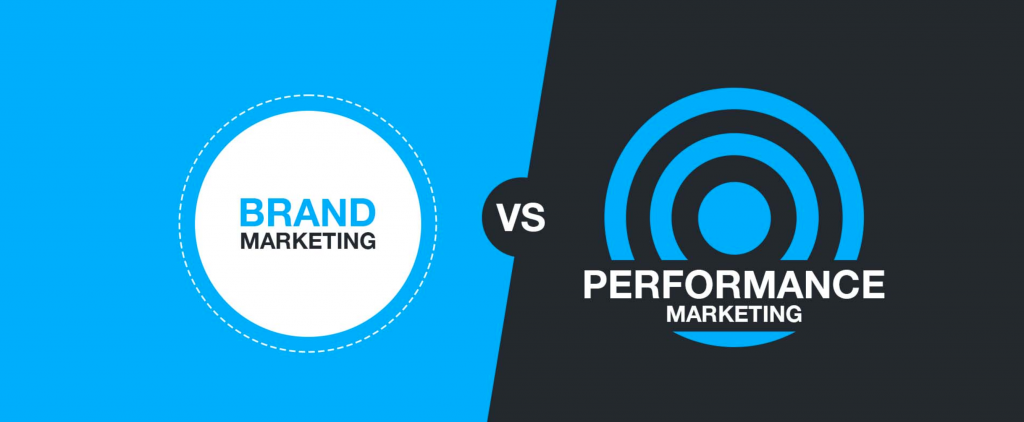
In the fast-paced world of digital marketing, businesses are constantly trying to figure out the right strategy to grow their brand and increase sales. A key debate today is: Branding vs Performance Marketing — which one is more effective?
Both strategies play a critical role in any marketing plan, but the approach depends on your business goals, target audience, and the current phase of your business. Whether you’re looking to build your brand or generate leads, understanding the differences between branding and performance marketing is crucial for your marketing success.
At Shoutnhike, the best PPC company in Ahmedabad, we’ve helped businesses navigate this debate and find the right balance between branding and performance marketing. In this blog, we’ll break down both strategies, their benefits, and which works best for your business in today’s world.
What Is Branding?
1.1 Definition and Key Components of Branding
Branding is all about creating a unique identity for your business that resonates with your target audience. It’s the personality of your business, the emotions you want to evoke, and the message you want to send out. Branding is more about long-term engagement rather than immediate sales.
Key components of branding include:
- Brand Identity: Your logo, colours, tagline, and overall look and feel.
- Brand Awareness: How well people recognise and recall your brand.
- Brand Loyalty: Building trust with your customers so they keep coming back.
1.2 How Branding Works for Long-Term Growth
Branding helps build recognition, trust, and a positive perception of your business over time. It’s not just about getting customers to buy from you once; it’s about ensuring they keep coming back and recommending your brand to others.
Stat: Studies show that brand loyalty increases customer lifetime value (CLTV) by 15-20%, leading to long-term business growth.
What Is Performance Marketing?
2.1 Definition and Key Components of Performance Marketing
Performance marketing focuses on achieving measurable results like clicks, leads, or sales. It’s a more direct approach to generating revenue, where businesses pay for specific actions taken by users.
Key components of performance marketing:
- Cost-Per-Click (CPC): Paying for clicks on your ads.
- Cost-Per-Lead (CPL): Paying for each lead generated from your marketing efforts.
- Cost-Per-Acquisition (CPA): Paying for actual conversions, such as a sale or signup.
Performance marketing works best when short-term results are the goal, and it allows businesses to track exactly how much they are paying for each lead or sale.
2.2 Performance Marketing Strategies
In performance marketing, there are multiple strategies you can use:
- PPC (Pay-Per-Click) Advertising: Running paid ads on platforms like Google Ads and Facebook.
- Affiliate Marketing: Partnering with influencers or affiliates who get paid for generating leads or sales.
- Social Media Ads: Running targeted campaigns on platforms like Instagram, Facebook, or LinkedIn to generate immediate sales.
Stat: 70% of Indian businesses say PPC campaigns have significantly increased their revenue over the last 2 years (Source: Statista).
Key Differences Between Branding and Performance Marketing
3.1 Goals: Long-Term vs. Short-Term Results
- Branding is all about creating an identity, increasing brand awareness, and building long-term customer loyalty. It's an investment in the future.
- Performance marketing aims for immediate results like sales or leads. It's more focused on quick wins.
For example, if you're trying to establish a new brand in India, you’d focus more on branding. But if you’re running a sale and want to generate leads quickly, performance marketing would be the best choice.
3.2 Metrics and ROI
- Branding: It’s difficult to directly measure the ROI for branding campaigns, as it’s more about visibility and perception.
- Performance marketing: You can track immediate ROI as you’re paying for direct actions like clicks, conversions, or leads.
Tip: Always focus on ROI and KPIs (Key Performance Indicators) to ensure that your investment in marketing yields tangible results.
3.3 Audience Engagement: Broad vs. Targeted Reach
- Branding targets a broad audience to create awareness. This could include traditional advertising like TV ads, billboards, and radio spots.
- Performance marketing targets a specific audience, using data and insights to narrow down potential customers. This is often done using digital ads and social media targeting.
Why Both Branding and Performance Marketing Are Important
4.1 The Interdependence of Branding and Performance Marketing
While branding is essential for building long-term trust and recognition, performance marketing helps you generate immediate sales and measure the success of campaigns. Both strategies complement each other.
For example, performance marketing can drive sales while branding helps build customer loyalty. Both should be integrated into a holistic marketing strategy.
Stat: 60% of businesses in India say they need to balance branding and performance marketing for optimal growth (Source: Economic Times).
4.2 Case Studies from Indian Businesses
- Branding success: Companies like Amul and Tata have built strong brands by focusing on long-term customer relationships and brand values.
- Performance marketing success: E-commerce giants like Myntra and Flipkart use PPC and performance-driven ads to capture immediate leads and sales.
These examples show that businesses in India successfully combine both strategies to maximise their impact.
Choosing the Right Strategy for Your Business
5.1 When to Focus on Branding
Branding is crucial if:
- You are a new business looking to establish recognition.
- Your product requires trust-building (e.g., healthcare, finance).
- Your goal is to create a long-lasting emotional connection with customers.
5.2 When to Focus on Performance Marketing
Performance marketing is ideal if:
- You want immediate results, such as generating leads or sales.
- Your business already has some level of brand awareness.
- You are looking to scale and drive sales quickly.
5.3 Balancing Both: Integrated Marketing Approach
Integrated marketing combines branding and performance marketing. By running awareness campaigns (branding) alongside lead generation or sales campaigns (performance), you can create a strong brand presence while also driving measurable results.
The Role of Data in Performance Marketing
6.1 Tracking Campaign Effectiveness with Analytics
Using tools like Google Analytics, Facebook Insights, and Google Ads, businesses can track the effectiveness of their campaigns in real time. This helps in adjusting targeting, optimising ad spend, and improving conversion rates.
6.2 Using Data for Better Targeting
Data helps businesses better understand their audience, allowing them to create highly-targeted campaigns. For example, if you know your audience responds better to certain ad formats, you can adjust your strategy accordingly.
The Future of Branding and Performance Marketing in India
7.1 The Rise of Video Content and Social Media Platforms
Video content (Instagram Reels, YouTube Shorts) is going to dominate marketing in 2026. Both branding and performance marketing will use video to engage customers and deliver compelling messages.
7.2 Emerging Trends in Indian Digital Marketing
- Influencer marketing: A mix of branding and performance marketing.
- Interactive content: Using quizzes, polls, and gamified experiences to drive engagement.
7.3 How Businesses Can Prepare for the Future
Businesses in India should invest in both branding and performance marketing, combining the power of data-driven insights and creative campaigns to stay ahead.
Conclusion
Both branding and performance marketing are essential for business success in 2026. While branding helps build long-term customer relationships and trust, performance marketing delivers immediate results that can grow your business. The best digital marketing strategies in India today combine the two, leveraging the strengths of each approach.
At Shoutnhike, the best PPC company in Ahmedabad, we help businesses strike the perfect balance between branding and performance marketing to drive both brand awareness and lead generation.
FAQs – Branding vs Performance Marketing
1. What is the difference between branding and performance marketing?
Branding focuses on building long-term trust and recognition, while performance marketing targets immediate actions like sales, leads, and conversions.
2. When should I use branding or performance marketing?
Use branding for long-term engagement and performance marketing for immediate sales or lead generation. Ideally, use both together for a well-rounded strategy.
3. Which strategy is better for small businesses in India?
Small businesses should start with branding to create awareness and then use performance marketing to generate leads and sales once they have some visibility.
4. How can I combine branding and performance marketing effectively?
Run branding campaigns for awareness and performance-driven ads to convert leads. Use data from performance marketing to optimise your branding efforts.
5. Can I use performance marketing without branding?
Performance marketing can generate immediate results, but without branding, you might struggle to build trust and long-term customer loyalty.